
When to Downsize in 2026: A Practical Retirement Guide for Smart Next Steps

Thinking about when to downsize often becomes obvious in that “new year, new chapter” moment, when you realise your current home is starting to feel like more work than it’s worth. For many homeowners, it’s not just about less space; it’s about less upkeep, better energy efficiency, and stepping away from the time-consuming cycle of maintenance and home improvements. It’s about enjoying the later years.
Whether it’s a life event, mobility changes, or simply wanting a simpler next move, downsizing in 2026 can free up money, lower bills, and make day-to-day living easier. In this guide, we’ll explain the financial benefits of downsizing, tackle common concerns, and explore lifestyle upgrades, including options like Tingdene Residential Parks, where many downsizers enjoy a welcoming local community and a home that fits how they want to live now.
Why Downsize for Retirement?

Downsizing for retirement is usually driven by a simple reality: the house that once worked for family life can start to feel like a lot to manage in later life. In recent years, many homeowners have started asking whether keeping a larger home still makes sense, especially when costs rise, rooms sit unused, and general maintenance becomes more demanding. Moving to a smaller property can ease day-to-day living, reduce bills, and offer a fresh start with fewer responsibilities.
Benefits of Downsizing
Downsizing can unlock money tied up in an expensive property, giving you more flexibility for the years ahead, whether that’s boosting income, improving lifestyle, or planning for changing needs. It can also open up better-fitting options, such as a smaller house designed with comfort in mind, or a retirement village or community setting where day-to-day life feels simpler and more supported. For many downsizers, it’s also an opportunity to be closer to family members or children, and to feel more confident about what their next steps look like.
Reducing Maintenance and Outgoings
A significant benefit to downsizing your home is to reduce the workload and cost that comes with a larger property. Smaller homes usually mean less cleaning, fewer repairs, and less time spent dealing with ongoing upkeep. This can be especially helpful if mobility becomes more of a concern over time. With fewer rooms to heat and maintain, bills often feel more predictable, and you’re less likely to face surprise costs that derail your plans.
Emotional Considerations
Downsizing isn’t just a financial decision, it’s personal. A family home often holds deep memories and emotional ties, so letting go can feel like closing a chapter. The process can also involve sorting unwanted items, making practical decisions, and preparing for moving day, which can feel like a lot of pressure. But many people find it genuinely freeing. Less clutter, fewer responsibilities, and a home that fits their current lifestyle, with space to make new routines and even meet new friends along the way.
Planning Your Retirement Move

Retirement planning in the new year will work best when you plan your next move with clear goals, sensible timing, and finances that support your wider retirement plans.
Setting Your Downsizing Goals
When thinking about downsizing, start with the “why”. When you know what you want from the move, it’s easier to choose the right new property and avoid expensive detours later. Your goals might be lower monthly costs, fewer responsibilities, or a home that’s easier to live in long-term. Be honest about space too: focus on the rooms you actually use, not the ones you’re used to having. If you’re unsure where to begin, simple decluttering tips (sorting one room at a time) can make the process feel manageable and help you picture how life could work in a smaller home.
Timing the Move
Timing can make a big difference to both stress levels and outcomes. Many people find it easier to downsize their home while they still have energy and motivation to manage the process, rather than waiting until it becomes urgent. Property markets matter, but personal timing matters more. Choosing a period when life is steady tends to make the moving process smoother, with fewer last-minute decisions and less pressure.
Helpful timing tips:
- Aim for “steady life” periods (avoid overlapping with major family changes, health appointments, or big work commitments).
- Match your timeline to your retirement plans (e.g., moving before income changes, travel plans, or lifestyle shifts).
- Consider seasonal momentum (spring/summer can bring more choice and faster transactions, but also more competition).
- Build in breathing room so you’re not forced into rushed offers or rushed removals.
- If you’re buying and selling, plan for overlap costs (storage, short-term accommodation, bridging finance if relevant).
Property Market Outlook for Downsizers in 2026
A “good time” to downsize is less about picking the perfect month and more about being prepared and realistic. Here’s what to keep in mind:
- Local demand matters most: Your local market and recent comparable sales will influence your outcome more than national headlines.
- Chains can slow things down: Longer chains often mean more delays, so flexibility can make the process smoother.
- Accurate pricing helps you move faster: Overpricing can lead to longer time on the market and tougher negotiations later.
- Being “sale-ready” is a real advantage: Decluttering, small repairs, and good presentation can improve interest and offers.
- Budget for transaction costs: Legal fees, removals, and Stamp Duty (where applicable) can reduce what you keep, so plan them into the process early.
For a quick sense-check on your local market, you can also use the tool to check house price trends in your area.
Preparing for Retirement Planning
When preparing for retirement, map out your full picture, including what you’ll release, what you’ll spend, and what your ongoing costs will look like. Getting this clarity early helps you make confident choices, protect long-term stability, and reduce the mental load that can come with big life changes.
Helpful planning checkpoints:
- Work out your “true budget”: selling costs + moving costs + furnishing + any setup costs for the new property.
- Stress-test your monthly costs: utilities, insurance, council tax, pitch fees/service charges where applicable.
- Decide what you want the released equity to do: boost income, build a buffer, help family members, fund lifestyle goals. Also keep in mind that you can’t get equity release on a park home.
- Check tax/stamp duty implications early so there are no surprises.
- Keep a simple paper trail: key documents, decisions, quotes, and timelines (it cuts stress when things move quickly).
- If it’s complex, get financial/legal advice once rather than patching it together mid-process.
Choosing the Right Retirement Property

The right retirement home is about more than just about size. It’s about how you want daily life to feel. That means that the community, location and convenience plays a big part of it too. A good downsize should reduce hassle and costs, while giving you the long-term comfort you deserve.
Evaluating Downsizing Options
In many cases, a well-planned smaller home with smart storage and easy access works better than a bigger property with unused space. As you compare options, look beyond the headline price. Factor in running costs, upkeep, and whether the location supports your routine and needs.
Here are the key checks to keep it simple:
| What to Check | Why it Matters |
| Monthly running costs | Keeps your budget predictable |
| Upkeep and maintenance | Less time, fewer surprises |
| Layout and access | Comfort now, confidence later |
| Location | Close to what you use most |
Retirement Property Types
There’s no one “best” option, it depends on how independent you want to be and how much community you’d enjoy. Some people prefer a standard bungalow or flat for complete independence, while others like age-restricted settings for quieter living and lower upkeep. Retirement communities can be ideal if you want sociable surroundings without losing privacy, and assisted living suits those who want extra support built in.
If you’re leaning towards community-style living, always check what’s included in ongoing fees, any resale rules, and how support works in practice.
Location and Local Amenities
When you’re downsizing, prioritise the essentials you’ll use weekly, be it shops, healthcare, transport, and walkable routes, because they’re what influences how easy or hard a new place is to live in.
Do a quick reality check before you commit: visit and speak with current residents, ask about the parking and noise levels, and if you don’t drive, confirm bus stops and walking distances. Getting this right upfront makes the move smoother and helps you settle faster.
| Quick Local Checks | Why it Matters |
| Food shops and pharmacy | Convenience week-to-week |
| GP/healthcare access | Peace of mind, practicality |
| Public transport links | Freedom without driving |
| Green space and safe paths | Daily routine, wellbeing |
Take a Look at Our Locations
If you want a shortcut, Tingdene Residential Parks offers 12-month residential park homes across a range of settings including coastal, country, and well-connected town locations, so you can choose what fits your lifestyle.
Here are 5 examples to explore:
- Stonecliff Park (Lincolnshire, Welton near Lincoln): village-style living with a peaceful feel, while staying close to Lincoln for shops, healthcare, and days out.
- Hazelgrove Park (Yorkshire): a friendly residential coastal setting with great access to local amenities and day-to-day convenience.
- Oak Tree Park (Norfolk): a relaxed Norfolk location that suits downsizers who want a calmer pace without feeling cut off.
- Wixfield Park (Suffolk): a peaceful Suffolk setting that suits downsizers looking for a calmer pace of life, with everyday essentials within easy reach.
- Ashfield Park (Lincolnshire): a practical Lincolnshire base with nearby amenities and transport links, ideal for simple, low-fuss living.
Financial Aspects and Releasing Equity
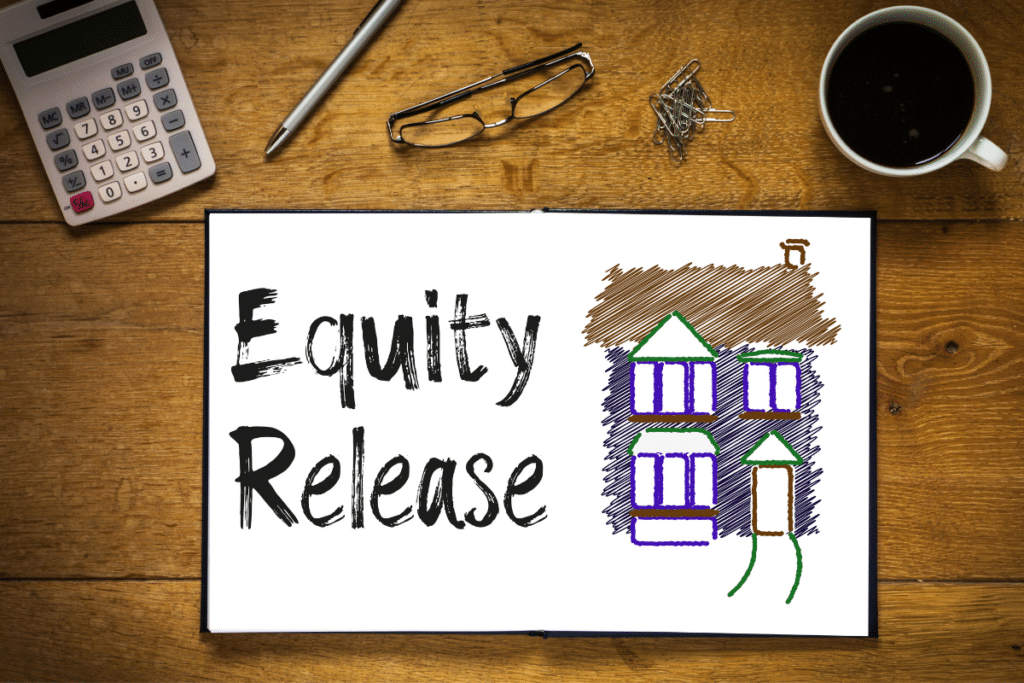
Downsizing isn’t just a lifestyle move, it’s a financial decision that can change your monthly outgoings, the cash you have available, and what you keep long-term. The key is weighing what you’ll spend to move, and any taxes or fees, against what you could release from your current home.
Understanding Moving Costs
Selling and moving can take a chunk out of your budget once you add up estate agent fees, conveyancing, removals, and the annoying extras like storage, packing, and pre-sale touch-ups. This is also where Tingdene’s moving support options can help keep things simpler.
With Part Exchange, once you’ve reserved your plot, Tingdene can purchase your current property (subject to terms), helping you avoid chains and reduce the usual selling friction. With Assisted Sale, a partner service helps organise valuations and marketing to support a smoother sale process.
Stamp Duty and Legal Fees
Stamp Duty can affect how much equity you actually keep after buying a new home (with different systems in Wales and Scotland). On top of that, legal fees for selling and buying add up, especially if you’re purchasing a leasehold home where extra checks and management packs can increase costs. The simple rule: get full quotes upfront, including any survey costs, so you can see the true “all-in” cost before you commit.
Equity Release and Lifetime Mortgages
If you like your current home but want to unlock funds, equity release can sometimes be an alternative to moving. The most common option is a lifetime mortgage (usually available from age 55), where you borrow against a qualifying bricks-and-mortar property while keeping ownership, with interest typically rolling up over time, which can reduce the value of your estate.
It’s important to note that equity release and traditional mortgages don’t usually apply to park homes, as they’re a different type of homeownership. So, if you’re considering a move to a park home, think of it as a lifestyle choice for simpler living, not an “equity play”. As equity release can also affect means-tested benefits, it’s always best to get regulated advice before making any decisions.
Moving and Settling In

Making a few smart decisions early on can make moving day feel lighter, and settling in feel natural. Here’s what to focus on:
- Declutter with a simple system: Start early and be realistic about what fits your new space.
- Be strategic with storage: Short-term storage can help if dates don’t line up, but long-term units often become expensive, so sell or donate what’s not moving with you.
- Make the new place feel easy, fast: A smaller home usually means less cleaning and fewer repairs, which frees up time for the good stuff.
- Build connections early: If you’re moving into a community setting, try one or two smaller group activities early on. It’s the easiest way to feel part of things without it being overwhelming.
- Create routines that suit your new space: Shop little-and-often if storage is smaller, and choose furniture that earns its keep (extra storage, fold-away options, multi-use pieces).
Wrapping Up

New Year’s resolutions are often about making life better and simpler. Downsizing can be part of that by reducing the day-to-day effort of running a home and choosing a space that feels easier, more efficient, and better suited to how you want to enjoy retirement. If you plan it properly, you can reduce upkeep, improve monthly costs, protect your long-term finances, and still enjoy a lifestyle that feels social, settled, and comfortable. And if you’re exploring community-led living as part of your next move, Tingdene Residential Parks offer welcoming locations across the UK, with park homes designed for simpler, year-round living and support options to help make the move smoother. Request a brochure or book a park visit to explore what could suit you best.