
What Is a Park Home? A Beginner’s Guide to Park Home Living
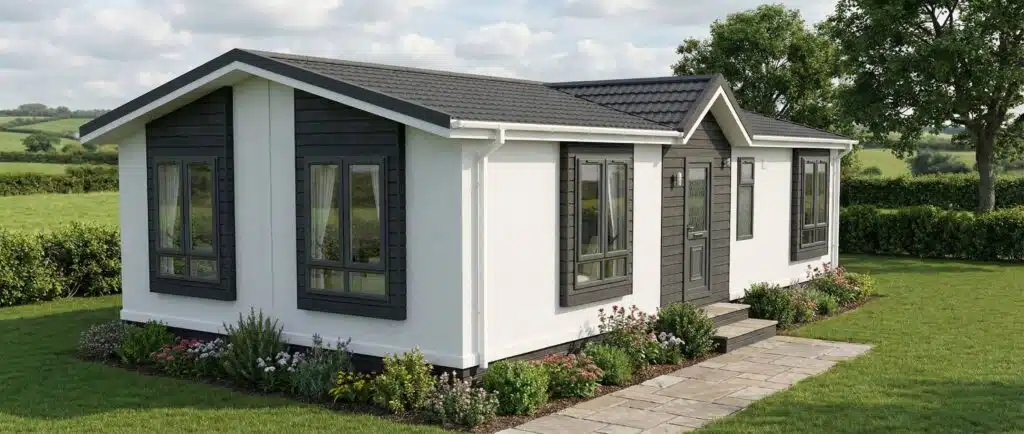
A park home is a factory-built, single-storey home sited on a residential park, where you own the home but pay a monthly pitch fee to rent the plot it sits on. Built to the BS 3632 residential standard, they’re designed for permanent, year-round living, and they’re usually cheaper to buy and run than a traditional house.
If you’re new to the idea, there’s a fair bit of jargon to get your head around, pitch fees, site licences, the Written Statement, and plenty of myths besides. So here’s a plain, friendly guide to what a park home actually is, how it works, what it costs, and who it tends to suit. Consider it your starting point, and part of our wider beginner’s guide to park home living, before you go any deeper.
What is a Park Home, Exactly?
A park home is a permanent residence built in a factory, then transported to and sited on a residential park. It’s a proper home, with a kitchen, bathroom, bedrooms, central heating and a low-maintenance garden of your own, built for living in all year round.
- The thing that sets it apart from a traditional house is the ownership model. You buy and own the home itself, but you don’t own the land it stands on. Instead, you rent the plot (known as the pitch) from the park owner, and pay a monthly pitch fee for it. Because you don’t own the land, a park home isn’t registered with the Land Registry the way a house is; your rights come through an agreement with the site owner instead.
- One thing that sometimes confuses people: in law, a park home comes under the definition of a caravan, which is why you’ll sometimes hear them called mobile homes. They’re vastly different from the image that conjures up though. In practice they’re settled, permanent homes that don’t go anywhere once they’re sited. The legal definition simply sets a maximum size, up to 20 metres long and 6.8 metres wide, which is plenty of room for a comfortable two-bedroom home.
Park Homes vs Holiday Homes and Static Caravans
This is the distinction that matters most, and the one people most often get muddled.
A residential park home is for permanent, year-round living. The park holds a residential licence, you use the home as your main address, and you register for council tax there. A holiday home or static caravan, on the other hand, sits on a holiday park with a holiday licence; it’s for leisure use only, the park usually closes for part of the year, and you can’t live there full-time or make it your main residence.
So the quick test is the park’s licence. If it has a residential licence, it’s somewhere you can genuinely settle for good. Our guide to living in a mobile home permanently goes into the practical side of full-time residency.
How Park Homes Are Built

Modern park homes are built in a factory to a British Standard called BS 3632, which is the benchmark for homes meant for permanent, year-round living. It covers construction, insulation and ventilation, so a home that meets it is made to be warm and comfortable through a British winter, with high levels of insulation, double glazing and central heating as standard.
Underneath, a park home is built on a steel chassis with a timber frame, then finished and fitted out before being transported to its plot and sited. The 2023 update to BS 3632 tightened things further, bringing in better insulation values and provision for things like thermostatic radiator valves.
They’re built to last, too. A well-made, well-maintained park home can last 70 to 80 years, and often longer with good upkeep, much like any home that’s looked after with care.
Owning the Home But Renting the Land
This is the part beginners find trickiest, so it’s worth slowing down on.
With a bricks and mortar house, you own the bricks and the ground they sit on. With a park home, you own the home outright, but the land stays with the park owner, and you pay a monthly pitch fee to keep your home on its plot. That fee covers the plot and the upkeep of the park’s shared areas; it’s reviewed once a year, and in England any increase is now linked to the Consumer Price Index, so it tracks inflation rather than jumping around.
Before you buy, the site owner must give you a Written Statement. It’s an important document that sets out your rights, the pitch fee, and the site rules you’ll be agreeing to, so it’s always worth reading properly. This ownership model is part of what keeps the entry cost and the running costs lower than a traditional house.
The Rules and Your Rights

Park home living is well protected in law, which can come as a surprise to a lot of newcomers.
The main piece of legislation is the Mobile Homes Act 1983 (strengthened by the Mobile Homes Act 2013). It gives you security of tenure, meaning you have the right to keep your home on its pitch and can’t be removed without a proper legal process. The park itself must hold a site licence from the local authority, which sets standards for safety and the general running of the site.
On top of that, each park has its own site rules, covering things like pets, parking and exterior changes, and most parks set a minimum age. Our full guide to park home rules and regulations walks through the legal side in plain English.
What Does a Park Home Cost to Buy and Run?
Park homes are generally more affordable than traditional homes of a similar size, which is a big part of the appeal. On top of the lower purchase price, there’s no stamp duty to pay on a park home, so the upfront cost of moving is lower too.
The ongoing costs are usually lower than a house as well. You’ll have:
- A monthly pitch fee for the plot your home sits on.
- Council tax, though park homes typically sit in Band A, the lowest band, so it’s usually modest.
- Your usual utility bills, which tend to be lower thanks to the energy-efficient, single-level design.
One cost to know about for later: if you decide to sell your residential park home at some point, the park owner is entitled to a commission of up to 10% of the sale price, which is set by law.
Who Are Park Homes For?

Retirement park homes tend to suit people in later life who want to own a manageable, low-upkeep home in a friendly community. Most of our residential parks are for those aged 45 and over, with some set aside for the over-50s or over-55s.
They’re a popular choice for downsizers freeing up space and lowering their outgoings, and for anyone retiring who wants single-level living in a settled, like-minded community. It’s estimated that around 250,000 people live in park homes across the UK, often in rural or seaside settings. If you’d like to understand where park homes sit among the other options, Types of Retirement Communities in the UK is a helpful next read.
Things to Note
Park home living suits a lot of people, but it works a little differently from owning a bricks and mortar house, so it’s worth going in with a clear picture. A few things to keep in mind, especially if you’d prefer something different:
- You own the home but rent the plot, so there’s a monthly pitch fee to budget for alongside the home itself.
- Most people buy a park home outright, often from the proceeds of selling a previous home, as a standard residential mortgage usually isn’t an option.
- When you sell, the park owner takes a commission of up to 10% of the sale price.
- Each park sets its own site rules on things like pets and exterior changes, so it’s worth checking if they suit how you’d like to live.
- There’s a minimum age, so park homes are aimed at later-life living rather than younger households.
None of these are drawbacks so much as the things that make park home living its own way of life. For most residents, they’re a fair trade for a simpler, more affordable home and more relaxed yet sociable lifestyle.
Taking the Next Step
The best way to understand park home living is to see it for yourself; a visit tells you far more than any guide can. If you’d like to read a little more first, our guide to what park homes are made of goes deeper on the build, and what’s included in a new park home covers what you actually get for your money. When you’re ready, get in touch and our team will happily talk you through how it all works.
Frequently Asked Questions
Can you live in a park home all year round?
Yes, as long as the park holds a residential licence. That’s what makes a residential park home different from a holiday home; it’s your permanent, main residence, and you register for council tax there as you would with any house.
Do you own the land a park home sits on?
No. You own the home itself, but you rent the plot it stands on from the park owner and pay a monthly pitch fee for it. Your rights to keep the home there are protected under the Mobile Homes Act 1983, set out in your Written Statement.
Can you get a mortgage on a park home?
Not a standard residential mortgage, because you own the home but not the land beneath it, so there’s nothing for a high-street lender to secure the loan against. Most people buy outright, usually with the money freed up from selling a previous home. You can see the full process, including Part Exchange, on our buying with us page.
Do you pay council tax on a park home?
Yes. A residential park home is liable for council tax, but it typically sits in Band A, the lowest band, so the bill is usually lower than an equivalent house.
How long do park homes last?
A well-built, well-maintained park home can last 70 to 80 years, and often longer with good upkeep, much like any home that’s cared for. Built to BS 3632 and looked after, there’s no reason it won’t see you comfortably through later life.