
Park Home Running Costs: Are Park Homes Energy Efficient?
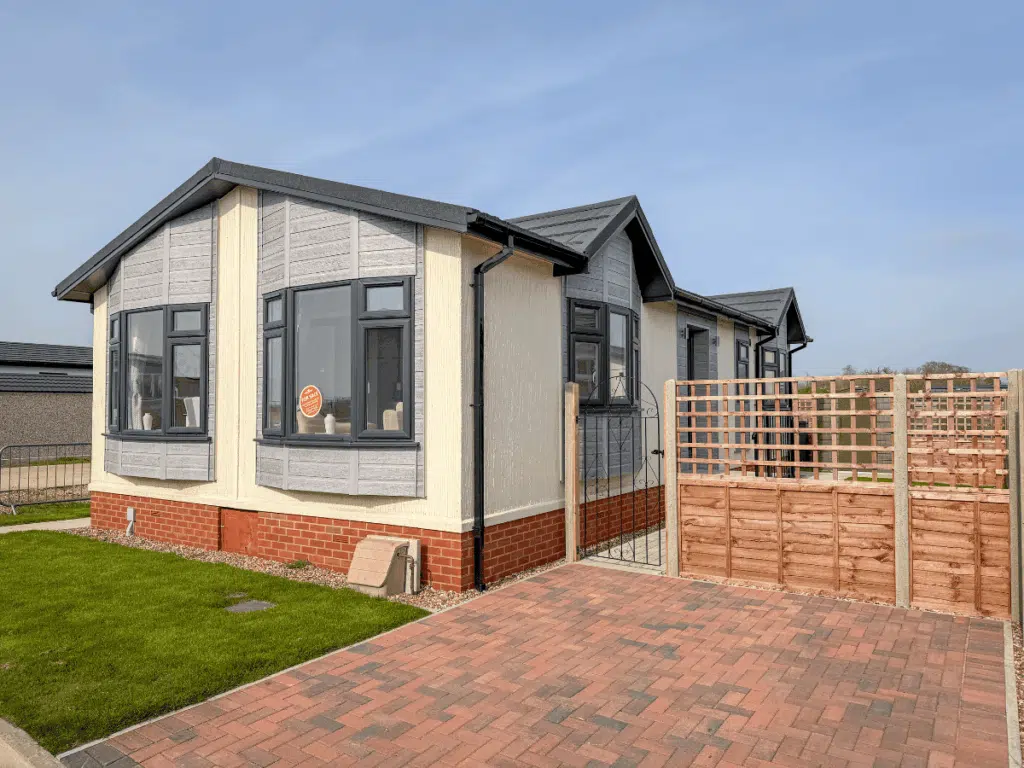
Park home running costs are usually simpler to budget for than a traditional house, but it’s still important to understand what you’ll pay month to month before you make the move. Alongside your day-to-day bills, you’ll typically budget for the pitch fee, utilities, council tax (where applicable), insurance, and routine upkeep, all of which can vary depending on the park, your energy use, and how you maintain your home.
The good news is that, in many cases, park home living can feel more manageable because the costs are clearer and the homes are often more efficient for their size. In this guide, we’ll break down what each cost covers, how pitch fees work, what to expect from gas and electricity, and how to plan for insurance and maintenance, as well as the energy efficiency of Residential Park homes.
What Contributes to Park Home Running Costs?

For most park home owners, the main fixed cost is the pitch fee (sometimes grouped under park home site fees). This is the payment for keeping your home on its plot and it often contributes to things like road upkeep, drainage, and maintained grounds, plus any amenities the park provides.
Typical ongoing costs can include:
- Pitch fee: varies by park and is usually reviewed on an annual basis (any proposed increase should be explained in line with your agreement)
- Council tax: often in a lower band (commonly Band A, but it depends on the local authority valuation)
- Utilities: electricity, heating costs (gas/electric depending on connections), and mains water where available
- Insurance: park home cover for the structure and contents (level depends on the policy and home value)
- General maintenance: servicing, exterior upkeep, and occasional repairs over the year
Comparing Park Home Costs to Traditional Properties
When you compare park home ongoing expenses with traditional properties in the UK, the biggest differences are what you own and which costs sit with you as the homeowner. Park homes can feel simpler to budget for month to month, but it’s important to weigh that against things like pitch fees and the fact that you don’t own the land.
| Cost Type | Park Home | Traditional Property |
| Stamp duty | Not usually payable | Often payable (above thresholds) |
| Council tax | Often in a lower band (commonly Band A, but varies) | Varies by value and area, often higher |
| Land ownership | You own the home, not the land | You own the property and the land |
| Mortgage | No, you cannot get a mortgage | Common |
Many park homes are typically smaller than bricks and mortar properties, and modern builds are often designed with energy efficiency in mind. Some homes may also use low energy lighting, but this will vary by model and specification, so it’s always best to find detailed information on what’s included.
Factors Affecting Park Home Expenses
Park home running costs are usually straightforward, but a few key details can shift what you pay month to month and year to year.
Location plays a part. Parks in more in-demand areas may have higher pitch fees, and council tax can vary depending on the local authority. Your home itself matters too: size, age, and build spec can affect energy use, so a newer, better-insulated park home will often be cheaper to keep warm than an older model.
Other costs to factor in include:
- Pitch fee reviews (typically looked at on an annual basis and should follow the correct process)
- Insurance level and what’s included in your cover
- Planned upkeep, such as exterior painting, guttering, or periodic roof checks
If you’re buying a park home, it’s always worth carefully reviewing your written agreement (Written Statement) and asking for a clear breakdown of ongoing costs, so you can budget with confidence.
Pitch Fees and Site Charges

When you buy a park home, you own the home itself, but not the land it sits on. Instead, you pay a regular pitch fee to keep your home on the park and contribute towards the shared upkeep and day-to-day running of the site.
What Is a Pitch Fee?
A pitch fee is the amount you pay to the site owner for the right to site your home on a specific pitch. Some people refer to this as “ground rent”, but on residential parks it’s most commonly called a park home pitch fee.
Pitch fees are usually paid monthly, and the amount can vary by park depending on things like location, pitch size, and what the park provides. Importantly, the pitch fee doesn’t mean you’re renting your home; you still own the structure, but you pay to use the pitch and benefit from the management of the park.
On licensed residential parks, your agreement is protected under the Mobile Homes Act 1983, which gives residents full security of tenure, as long as the pitch fee is paid and site rules are followed.
What Do Site Fees Cover?
Site fees are there to help maintain the park as a whole rather than cover your personal household bills. See the table below for what it commonly covers and what you’ll normally budget for separately:
| Usually included in site fees | Usually not included (budget separately) |
| Maintenance of park roads and pathways | Utilities used in your home (electricity, gas, water) |
| Upkeep of communal areas | Council tax |
| Drainage and other site infrastructure | Home insurance |
| General site management and administration | Repairs and maintenance inside park home and private garden upkeep |
Pitch Fee Reviews and Increases
Pitch fees are usually reviewed once a year, and any change should be explained in writing using the correct process. If you disagree with a proposed increase, there is a legally mandated process to follow with several steps available to reach a resolution before any formal action is needed. While an independent tribunal is available if required, most concerns are typically resolved well before this stage.
Utility Costs

As they are with traditional homes, utility bills are a consistent part of park home running costs. You’ll usually budget for electricity, heating (gas/LPG/electric), water and sewerage. Read our blog on “What Are Park Homes Made Of?” for more on what you’re paying for when purchasing a park home.
Electricity and Heating
Most park homes have their own electricity meter. You’ll either pay an energy supplier directly, or the park will recharge you from a bulk supply based on your meter readings, so it’s worth confirming how billing works, along with the unit rate and standing charge.
Heating varies by home and park, but it’s commonly mains gas, bulk LPG, cylinders, or electric. If LPG is used, ask how usage is measured and how pricing is set.
Water and Sewerage
Water and sewerage are usually charged separately. In many parks, water is metered per pitch and recharged based on usage, while drainage arrangements can vary. Some parks include certain elements within the pitch fee, others list them as separate charges.
If the park uses a private sewerage system, ask how servicing and repairs are funded so you can avoid surprises.
Insurance and Maintenance Responsibilities

Insurance and maintenance are two key parts of park home running costs. You’ll usually need specialist park home insurance because rebuild costs are assessed differently, so look for buildings, contents and public liability cover, plus protection for common risks like fire, storm, flood and escape of water, and review your sum insured each year.
In terms of upkeep, you’re typically responsible for day-to-day maintenance of your home and your pitch area, while the park owner looks after communal areas through the pitch fee, so it’s sensible to stay on top of regular checks and set aside a small monthly amount for minor repairs.
Park Home Heating and Energy Costs

Heating and energy costs are one of the biggest variables in park home running costs, especially through the winter months. The good news is that many modern park homes are built to BS3632 residential standards, which means better insulation and comfort for year-round living.
In simple terms, a BS3632 home is designed to hold heat more effectively than older models, which can help you keep heating costs more predictable, depending on your usage and tariff.
Energy Efficiency Tips for Park Homes
- Keep the thermostat at a consistent, comfortable temperature (avoid big on/off swings)
- Fit LED bulbs throughout the home
- Close curtains at dusk in colder months
- Use extractor fans during cooking and showers to reduce moisture and condensation
- Service your boiler or heating system yearly
If your home uses LPG (cylinders or bulk supply), monitor usage regularly so you can spot unusual spikes early. Taking meter readings (or tracking deliveries) month to month is a simple way to stay in control of your energy costs.
Are Tingdene Residential Park Homes Energy Efficient?

Tingdene Residential Parks offer modern park homes designed for comfortable, year-round living. Newer homes are built to BS3632 with features like insulation and double glazing as standard, helping to retain heat and keep energy costs more manageable. The exact efficiency will still depend on the home model and specification, how it’s heated, and how you use it day to day. If you’re considering a park home elsewhere, it’s worth checking whether double glazing is included as standard since it isn’t always.
To get a clear picture before you commit, it’s worth checking these points for the specific home you’re considering:
- Build standard/spec: confirm whether the home is built to BS3632 (or equivalent residential spec) and what insulation is included.
- Windows and draught-proofing: ask what glazing and sealing is used, as this can make a noticeable difference in winter.
- Heating setup: confirm whether the home uses mains gas, LPG, or electric, and what controls are fitted (thermostat, timers, zoning).
- Evidence, not assumptions: request the home’s spec sheet and any available efficiency info so you can compare like-for-like between models.
Once you move in, the biggest wins tend to come from simple habits: keeping the thermostat steady, using extractor fans to reduce condensation, and staying on top of annual servicing so your system runs efficiently.
If you’re also weighing up the wider lifestyle and legal side of year-round park living, this guide is a helpful companion read: Living in a Mobile Home Permanently in the UK.
Wrapping Up
Park home running costs are usually easier to predict once you know what sits in the “fixed” column (pitch fee, council tax, insurance) and what can change through the year (utilities and maintenance). If you’re considering a move, the best next step is to compare like-for-like using the Written Statement and the home spec, and if you want help getting clear on the numbers, Tingdene Residential Parks’ team can talk you through the typical costs for your preferred park and the homes available. Read our Preparing for Retirement Checklist article for more financial considerations.
Frequently Asked Questions
What insurance requirements exist for park home residents?
You’ll need specialist park home insurance rather than standard house cover. Look for buildings and contents as a minimum, plus public liability and cover for common risks such as storm or escape of water. Some parks ask for proof of insurance, so keep your documents up to date and renew on time.
How does council tax apply to park home living?
If your park home is your main residence on a licensed residential park, council tax applies as normal and the local authority sets the band. Park homes are often in lower bands than many traditional houses, but it’s always worth checking your exact band and whether you qualify for discounts (such as single person discount).
What’s included in Tingdene pitch fees and site charges?
What’s covered can vary by park, but pitch fees typically support the upkeep of shared areas and the day-to-day management of the site. The best way to confirm exactly what’s included for your chosen park is to check your written agreement and ask the team for a clear breakdown before you reserve.
Does Tingdene offer support if I need help selling my current home?
Yes. Tingdene can support your move with options such as Assisted Sale and, on selected homes/parks and subject to criteria, Part Exchange. It’s worth speaking to the team early, as availability and terms depend on the park and the home you’re buying.