
Returning to the UK After Living Abroad: A Retiree’s Guide to Settling Back In
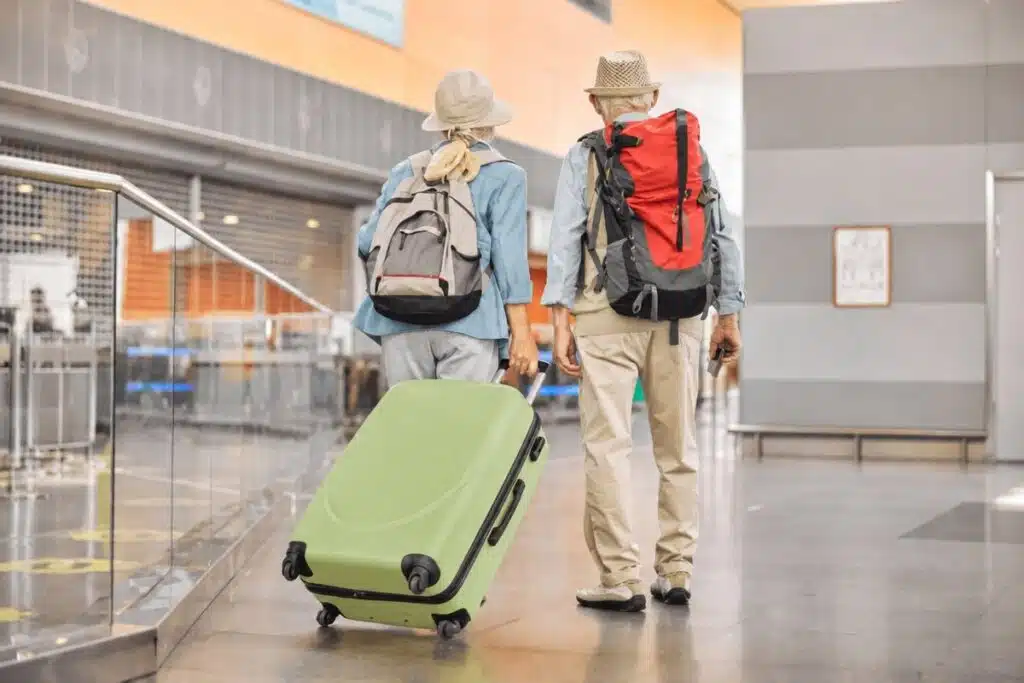
Returning to the UK after living abroad is a well-trodden path, and if you’ve made that decision, you’re in good company. Plenty of people make the same move each year, often retirees heading back to be closer to family and to keep NHS care within reach. It’s a big practical step, and feeling unsure of where to start is completely normal. This guide covers the two things that matter most: the admin you’ll need to get in order, and the part most guides skip, where you’ll actually live and how to make the move an easy one.
Why Retirees Are Returning to the UK After Years Abroad

Maybe you’ve wondered whether simply wanting to come home is reason enough. It is. The pull back to the UK is rarely about spreadsheets; for most people it comes down to family, health and missing the familiar.
You’re in good company too. Spain and France are the classic retirement destinations abroad, and ONS analysis shows British residents in both tend to be older than the EU citizens who move the other way, so a great many are retirees. Deciding to move back home is a well-worn path.
Family
Almost always the strongest pull. Grandchildren growing up at a distance, ageing parents who need a hand, the wish to be in the same room rather than on the same video call. Those reasons carry as much weight as any financial one.
Healthcare
Coming home means NHS care free at the point of use, without the rising premiums of international private insurance. That matters a great deal if you’ve a long-term condition, or simply want the reassurance close by.
Cost
A settled UK base tends to be steadier than a foreign rental market or a pension that rises and falls with the exchange rate. One less thing to keep an eye on.
Timing
It’s worth sitting with this one. Age UK’s Late Movers research found that 72% of over-65s thought moving after 75 would be difficult, with nearly a third of them feeling it would be unmanageable even with help. Many also had worries about their current home, from accessibility to affordability. Moving while you’re still active tends to be far easier than waiting until it becomes urgent.
What to Sort Out Before You Return to the UK

None of this is as daunting as it looks from a sun lounger in Spain. Work through a short list in the right order and most of the worry takes care of itself. Ideally, start a few of these before you fly home rather than after you land.
- Register with a GP: Your first practical step is somewhere to live, even a temporary let, since you register with a surgery that covers your local area. Free NHS care depends on being “ordinarily resident” in the UK, which you re-establish by moving back with the intention of staying, so it isn’t tied to your nationality or to years of past contributions. Reassuringly, you don’t need proof of address, ID or immigration status to register with an NHS GP, so don’t let missing paperwork hold you back. Once you’re in, ask the surgery admin staff how best to share a summary of your medical history from abroad.
- Open or reactivate a UK bank account: Watch for the common catch-22; banks often want proof of a UK address, while landlords want to see bank statements before granting a tenancy. Years away can also leave your UK credit history looking like a blank slate, which makes cards and borrowing harder until it’s rebuilt, so it’s worth starting early.
- Tell HMRC and check your tax residency: Your tax position changes when you become a UK resident again. The government’s Returning to the UK guidance is the right place to start, and a professional tax adviser can confirm exactly where you stand.
- Check your State Pension: Around half a million pensioners overseas receive a frozen State Pension, mostly those living in Australia, Canada and New Zealand rather than in the EU. The good news is that it starts rising again the moment you’re a UK resident once more. The International Pension Centre can confirm your position.
- Register for council tax: Tell your local council you’ve moved in, so your council tax is set up correctly from day one.
If the tax or pension details feel murky, that’s completely normal. The official sources above, and a qualified adviser, are there precisely for the parts that depend on your own circumstances.
Why a Park Home Suits Coming Home to Retire
Sorting the paperwork is one thing. Knowing where you’ll actually settle is another, and it’s the part that quietly worries people most. Coming home isn’t always the soft landing you’d imagine.
Reverse culture shock is real, and more common than people expect. Plenty of returning expats describe the strange sensation of being a tourist in their own hometown, a wave of readjustment and even isolation that catches them off guard. A lot of it traces back to the identity and community built up over years abroad, then left behind. The right home, and the community around it, can head off much of that before it takes hold.
A Move You Can Manage From Abroad
Coordinating a long property chain from another country is nobody’s idea of fun. A retirement park home is usually chain-free and move-in-ready, so there’s no onward buyer to wait on and you can complete on a timeline that suits you. Homes come fully furnished with modern appliances, which means you can arrive with your suitcases and start living rather than face weeks of deliveries and fit-outs.
Affordable, On Your Terms
Downsizing to a park home can free up capital from the sale of a UK property, and no stamp duty is payable on a park home. It’s a debt-free way to release money tied up in bricks and mortar, and it usually lowers your ongoing bills at the same time.
That freed-up money simply sits with you, ready for the things you actually came home to do. It’s a different route from equity release, which is more complex and, worth knowing, not available on a park home in any case.
A Community Ready And Waiting

This is where the isolation worry starts to lift. Landing somewhere with a settled community around you makes a real difference; instead of arriving on a street where you know no one, you’re among people at a similar stage of life from the very start.
Knowing a parent has neighbours close by and a park manager on hand tends to reassure adult children just as much. A Tingdene Residential Park offers that same ready-made community, with like-minded neighbours a few doors away rather than a plane ride from anyone you know.
Built To Be Easy
Settling back in is enough to think about without a big house to run. Modern retirement park homes are built to BS 3632 standards, the British Standard for residential park homes designed for year-round living, with insulation and construction meant to keep them warm and comfortable through a UK winter. Our homes are single-storey too, so there are no stairs to manage, and they’re designed for low maintenance, which means you spend your first months back catching up with family, not clearing gutters. With lower running costs than a full-sized house, day-to-day life stays light on the workload and the wallet.
Not Ready to Commit Full-Time? Keep a UK Base While You Decide

If you’d rather keep a foot in both places for now, a lock-up-and-leave home on a Tingdene Residential Park works well as a part-year base. You get a secure, low-maintenance place in the UK to come back to, without the worry of leaving a large empty house behind each time you travel. It’s a way to try living back in the UK for part of the year before deciding on anything permanent.
Worth knowing: since Brexit, UK travellers can spend up to 90 days in any 180-day period in the Schengen area without a visa, and how you split your time can affect your tax residency here. Exactly how the rules apply depends on your own circumstances, so a professional adviser is the best person to confirm where you’d stand. Our guide on whether to retire abroad or stay in the UK walks through both paths if you’re still deciding which way to lean.
If any of this sounds like where you’re heading, it might be worth a relaxed conversation about how it could work for you. You can arrange a discovery call, or take a look at the move-in-ready homes available now.
Frequently Asked Questions
Moving back to the UK after time abroad throws up a few practical questions, from tax and residence to bringing a pet home. Here are the ones that come up most, with a steer on where to get proper advice. The rules can change and a lot depends on your circumstances, so treat this as a starting point rather than the final word.
Can I move back to the UK after living abroad?
Yes. As a British citizen you have an automatic right to return, so there’s no permission to seek. Full access to services like NHS care, benefits and housing can still take a few months to re-establish, so plan the admin ahead of time as unfortunately things won’t just resume the day you land.
Do I need to tell HMRC when I return to the UK?
Yes. Once you become a UK tax resident again you must tell HMRC your residence status has changed, as it affects how your income and gains are taxed. The rules depend on your circumstances, so start with the government’s Returning to the UK guidance and speak to a tax adviser.
What is the 5-year rule when returning to the UK?
It’s a tax rule known as “temporary non-residence”. If you were a UK resident in at least four of the seven tax years before you left, and you return within five complete tax years of becoming a non-resident, certain income and gains you realised while away can become taxable in the year you return. The details are complex, so it’s best to seek assistance from a tax adviser.
Can I bring my pet back to the UK with me?
Yes, as long as you follow the pet travel rules in the right order, and the order really matters. Your pet needs to be microchipped before its rabies vaccination; do it the other way round and the jab won’t count. After that, there’s a wait of at least 21 days before you can travel, though some vaccines need longer, so check with your vet.
If you’re coming from an “unlisted” country, usually somewhere outside Europe, there’s more to it: a rabies blood test at least 30 days after the vaccination, then a further three-month wait before you can travel. Dogs also need tapeworm treatment shortly before arrival. Get it all right and there’s no quarantine; get it wrong and your pet can be held in an approved quarantine facility, potentially for months. It’s worth planning well ahead and checking the current rules on GOV.UK or with your vet before booking anything.
What are the benefits of moving back to the UK to retire?
The reasons people give most often are being close to family again, access to NHS care that’s free at the point of use rather than paying for international health insurance, and simpler pension and financial admin. Many also find a UK base brings a more predictable cost of living than a foreign rental market or a pension that rises and falls with the exchange rate.