
Retire Abroad or Stay in the UK? Why You Might Not Have to Choose
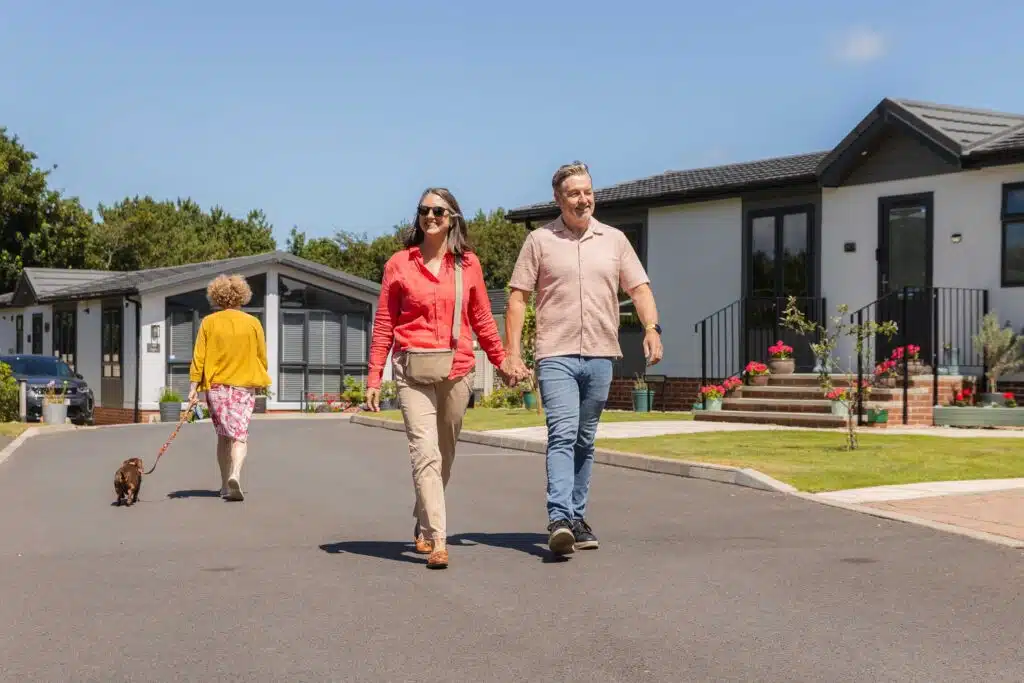
For a lot of people approaching their golden years, it comes down to one question: retire abroad or stay in the UK? Warmer weather and a slower pace on one side; family, familiarity and a settled life on the other. It can feel like a clean either/or, where choosing one means losing the other.
However, it doesn’t have to work that way. With the right setup, you can spend long stretches in the sun and still keep a secure base back home. This piece walks through what each option really involves, then looks at a third route that more retirees are taking: a low-maintenance home in England, and the freedom to travel from it.
The Retirement Question Most People Get Stuck On

The reason this decision feels so hard is that it often gets framed as all or nothing. Sell up and move abroad, or stay exactly where you are? Both come with real trade-offs, and that framing pushes you to give up either security or freedom.
Most people want a bit of both, which is completely fair. That is the honest starting point, and it changes the question from “which one” to “how do I get the parts that matter from each”.
What Draws People to Retiring Abroad
The appeal is easy to understand. Longer, brighter days, lower living costs in many countries, and a slower rhythm to the day. For some, moving abroad is also about a fresh start in a new country after decades of hard work.
There’s a practical pull too. In parts of southern Europe, the cost of living can stretch your retirement income further than it would at home, at least on paper.
What Keeps People Rooted in the UK
The other side is just as real. Family ties keep many people close to home. So does access to NHS services, the comfort of familiar surroundings, and not wanting the upheaval of a full move to a different country.
Then there’s the admin. Visa requirements, arranging a retirement visa where one is needed, currency risk from exchange rates, and the cost of setting yourself up abroad. You may also need private health insurance rather than relying on the NHS. None of it is impossible; it’s just more to consider.
Retire Abroad, Stay in the UK, or Keep a Base in Both?
Before settling on one path, it helps to see the three options side by side. The table below sets out the main considerations, including the one most people overlook: keeping a UK base and travelling from it.
| Consideration | Retire Abroad Fully | Stay in the UK Only | Keep a UK Base, Spend time Abroad |
| Property security when away | Home sits empty or rented | Home stays occupied | Park community keeps an eye on it |
| Healthcare access | Private health insurance, residency rules apply | NHS services | NHS services, base retained |
| Upkeep while travelling | Harder to manage from a distance | Not applicable | Low-maintenance, lock-up-and-leave |
| Cost to set up | Sales, fees, exchange rate risk | No change | Downsizing can free up capital |
| Tax and pension | Country of residence affects your tax | Straightforward | UK base and address kept while you arrange things |
| Flexibility to change your mind | Hard to reverse | Limited | Keep both, adjust as you go |
| Pets | Travel and import rules | Stay at home | Most parks welcome them |
The Third Option: A Lock-Up-And-Leave Base in England
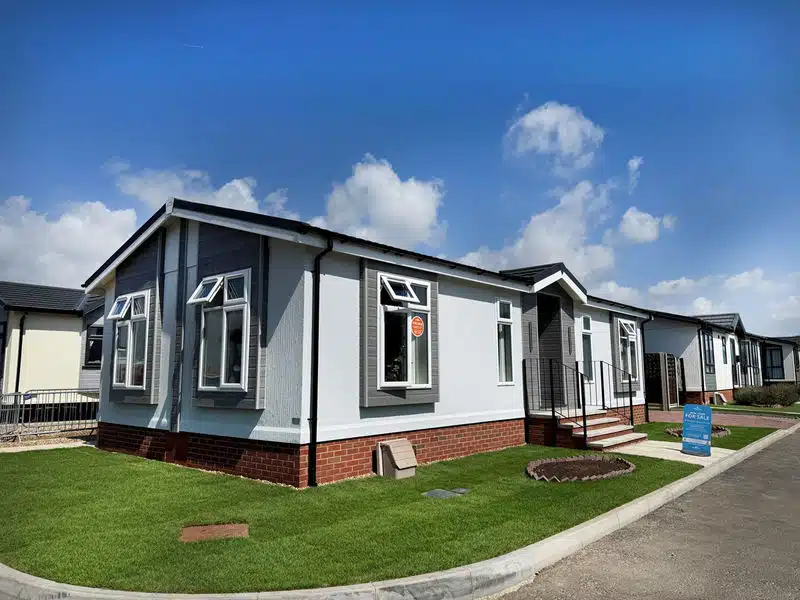
The third column is where this gets interesting. Instead of choosing between the sun and a secure home, you keep both: a low-maintenance home in England that you can leave for weeks or months at a time.
What Lock-Up-And-Leave Actually Means
A lock-up-and-leave home is one you can close up and walk away from without a long list of worries. No large house sitting empty and exposed, no heavy garden to keep on top of. You lock the door, head off, and the home looks after itself while you’re away.
Peace of Mind While You’re Away
Time overseas should feel relaxed, not spent wondering about the house. A park home within a dedicated residential park gives you a secure base surrounded by like-minded neighbours. Mention to the people next door that you’re away and they’ll tend to look out for your place, as neighbours in a close community do. With parks set aside for those over 45, the atmosphere tends to be quiet and settled.
Built for Time Away
These homes are made to be left. Built to BS 3632 standards with durable materials, a residential park home comes with a 10-year manufacturer’s warranty and needs very little upkeep, even during long absences. That matters when you’re spending months at a time in another country.
You Will Even Spot These on A Place in the Sun
A Place in the Sun built its name on the overseas dream, so it’s telling that the same brand now lists UK park homes alongside the villas in Spain and France. The two-home lifestyle is not a workaround any more; it sits right next to the properties that started the daydream.
Take a look at Tingdene’s park homes on A Place in the Sun and the point makes itself. A secure base in England and real time in the sun are not rival choices; they are two halves of the same plan.
The Money Side Of Running Two Homes

The usual objection to keeping two homes is cost. In practice, the figures often work better than people expect, and this is where the case for “both” holds up.
Releasing Equity to Fund Your Time Abroad
Downsizing from a traditional house to a park home can release equity from your existing UK property. There is no stamp duty to pay on a park home, and purchase costs are typically lower than bricks and mortar. That freed-up capital can go towards your time abroad rather than into a bigger house you no longer need; for some, it is a real step towards financial independence in retirement.
One thing worth being clear on: that capital comes from selling your existing home, not from borrowing against the park home later. You cannot get equity release on a park home, because you own the home but not the land it sits on, so lenders will not accept it as security. That makes the downsizing sums the thing to work out before you commit.
Lower Running Costs At Your UK Base
A park home is also cheaper to run. Built for energy efficiency, these homes tend to mean lower bills, and most sit in Council Tax Band A. Your UK base stays cost-effective even in the months it sits empty, which makes the two-home setup easier to justify. Read our blog on park home running costs for a detailed breakdown.
A quick word on pensions and tax. If you spend significant time abroad, your tax position can shift depending on your country of residence, and the UK state pension is not always uprated overseas; in some countries it can remain frozen.
Double taxation agreements exist to stop you paying twice on the same retirement income, though the detail varies from country to country. The government’s International Pension Centre can confirm how your state pension is treated wherever you settle. None of this rules out time abroad; it is a reason to seek advice early and keep a UK bank account and address while you work it through.
Life Between Two Homes

Beyond the money, the appeal is the lifestyle itself: time in the sun when you want it, and a familiar home and environment to return to.
A Community to Come Home to
Coming back to a place where people know you matters more than it sounds. A residential park gives you a ready-made community, a sense of routine, and neighbours who will water the plants and pick up the post while you’re away. Returning is not arriving at a cold, empty house; it’s coming home.
Bringing Your Pet Along
A home rarely feels complete without a pet. Most residential parks welcome them, so there’s no need to leave a companion behind, whether you’re already settled in the UK or travelling between homes. Our individual park home pages will state whether a park is pet friendly/dog friendly/cat friendly.
Is This Lifestyle Right For You?
If the choice between retiring abroad and staying in the UK has been weighing on you, it may be worth questioning the choice itself. For plenty of over-45s, the answer is not one or the other; it’s a secure, low-cost base in England and the freedom to spend real time in the sun.
If that sounds closer to what you had in mind, it might be worth a proper conversation about how it could work for you. You can arrange a relaxed discovery call, or take a look at the move-in ready homes available now.
Frequently Asked Questions
Is it cheaper to retire abroad or stay in the UK?
It depends on the country, the exchange rates and your lifestyle. Retiring abroad carries set-up costs, residency rules and currency risk, while staying put avoids those. Keeping a low-cost UK base and travelling from it can sit between the two.
Can you keep a home in the UK and live abroad part of the year?
Yes. A lock-up-and-leave home lets you spend extended time overseas while keeping a secure base to return to, with neighbours keeping an eye on things while you are away.
Do you pay stamp duty on a park home?
No. Park homes are not subject to stamp duty, and purchase costs are typically lower than a traditional house, which can free up funds for time abroad.
How is my UK state pension affected by retirement abroad?
It can vary. In some countries the state pension is uprated each year; in others it can remain frozen. Your country of residence also affects your tax position, so it’s worth checking with the International Pension Centre and seeking advice before you commit. Keeping a UK base and remaining a resident usually avoids both, which is part of the appeal of splitting your time rather than moving outright.
Who can live on a Tingdene residential park?
Tingdene residential parks are for those over 45, with some parks having a restriction of over-50s and 55s. A residential park lifestyle offers a quieter retirement in a like-minded community.