
Types of Retirement Communities in the UK: A Plain Guide to Your Options
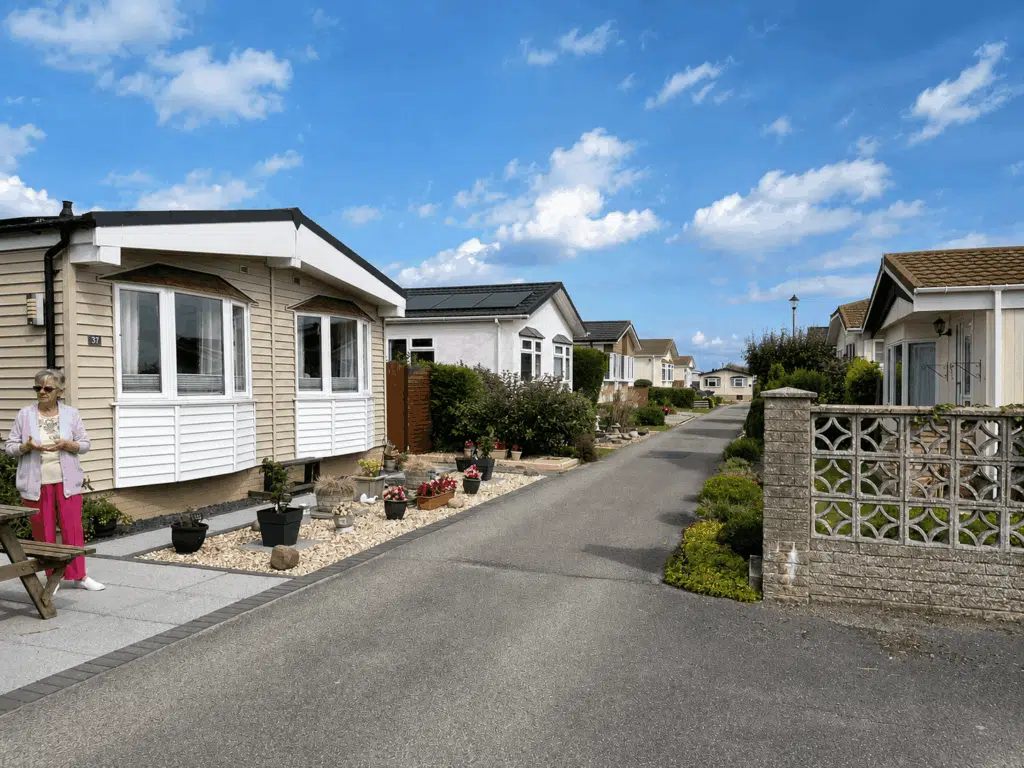
There are several types of retirement communities in the UK, from retirement apartments and villages to sheltered housing, extra-care schemes, care homes and residential park homes. Each suits a different level of independence, budget and need for extra support, so the right choice comes down to how you want to live.
It can be a confusing area to research since the terms often get used interchangeably, the marketing tends to blur together, and it’s easy to come away none the wiser. We’ve put together this plain, jargon-free guide to run through the main options, whether you’re looking for yourself or helping a parent weigh things up. There’s no single best answer; there’s just the one that fits what lifestyle you want for later years.
What is a Retirement Community?
A retirement community is simply age-based housing designed for later life. Most have a minimum age, and they’re built around the idea of an accessible, manageable home among people at a similar stage of life.
The useful way to picture them is as a spectrum. At one end sits fully independent living: your own home, your own routine, no care involved. At the other end is full-time care for people who can no longer manage without day-to-day assistance. Most options fall somewhere along that line, and the right one depends on how much support you need now and might need later.
The Main Types of Retirement Community
Here are the main options, running from the most independent to the most supported.
Residential Park Homes and Active Adult Communities

This is independent, community-led living for active people in later life, built around lifestyle rather than care. A residential park home lets you own a single-level home in a managed, age-restricted community, with a garden of your own, like-minded neighbours nearby and low outgoings.
There’s no personal care, so it suits people who want to stay independent and own their home without the service charges of a leasehold flat. You own the home itself, though not the land it sits on, which is what keeps the entry cost and running costs down, and parks tend to sit in coastal, town or countryside settings. Our beginner’s guide to park home living is a good place to start if this one sounds appealing.
Retirement Apartments
Purpose-built flats for older people, usually bought on a leasehold basis, though some are for rent. You live independently, with a scheme manager on hand and communal areas to use, but no personal care is provided. The thing to watch is the ongoing cost: most carry a service charge, and often ground rent, on top of the purchase.
Retirement Villages

Larger communities that combine independent homes with on-site facilities, and care you can arrange as your needs change. They suit people who want independence now with reassurance for later, all in one place. Homes are usually leasehold, with a community or service fee covering the shared facilities.
Sheltered and Retirement Housing
Independent homes with a bit of light support built in, typically a scheme manager or warden and an emergency call system, but not personal care. Often rented through a council or housing association, though some are leasehold. A good fit for someone who wants to stay independent with a little reassurance close by.
Extra-Care and Assisted Living Communities

Here you have your own front door and live largely independently, but with personal care available on site for help with daily tasks such as washing, dressing or medication. Homes can be bought or rented, and care is arranged as a separate package on top. It suits people who need some additional support but don’t want to move into full-time care.
Care and Nursing Homes
For when living independently is no longer possible. A residential care home provides help with daily living and round-the-clock support, while a nursing home adds care from registered nurses for more complex medical needs. Many also offer specialist dementia or memory care. These are paid for as ongoing fees rather than owned, and they’re typically the most expensive option because of the level of care involved.
The Options at a Glance
Every option handles ownership, care and cost differently. Here’s the shape of it side by side.
| Type | Best For | Own or Rent | Care Provided | Ongoing Costs |
| Residential park home / active adult community | Independent living, want to own, low outgoings | Own the home, not the land | None | Pitch fee, council tax, bills |
| Retirement apartment | Low-upkeep independent living | Buy (leasehold) or rent | None; scheme manager | Service charge, often ground rent |
| Retirement village | Independence plus facilities | Buy (usually leasehold) or rent | Available to arrange | Community or service fee |
| Sheltered housing | A little support, still independent | Rent or leasehold | Warden; no personal care | Service charge |
| Extra-care housing | Some daily care, own front door | Buy or rent | Personal care on site | Service plus care charges |
| Care or nursing home | Can no longer live independently | Fees, not owned | Full round-the-clock care | All-inclusive fees |
How to Choose the Right Retirement Community for You
There’s no perfect formula, but a few honest questions tend to point the way:
- How independent are you now, and how independent are you likely to be in ten years? If you need daily support, extra-care or a care home is the honest answer; if you’re active and want to stay that way, independent options make more sense.
- Do you want to own or rent? Owning gives you a home to call your own and the security that comes with it, and your outgoings tend to settle down over time. Renting has fewer upfront costs, but it’s an ongoing expense for as long as you stay, and you have less control over the place you live.
- What can you afford, upfront and ongoing? Look past the headline price to the monthly commitment: service charges, ground rent, care fees or pitch fees all add up differently.
- How much community and how many facilities do you actually want? Some people want an on-site restaurant and a full activities calendar; others just want good neighbours and peace of mind in a safe, welcoming environment.
- And where do you want to be? Proximity to family, healthcare, transport and the things you enjoy makes more difference day to day than almost anything else.
The key is to match the option to your life, rather than over-buying support you don’t need or under-planning for support you might.
Where Residential Park Homes Fit In
If you’re active, independent and keen to own your own home without the service charges and upkeep of a larger property, a residential park home is well worth a look. You get a single-level home built to the BS 3632 residential standard, a garden of your own, and a settled community around you, usually at a lower entry cost than a leasehold apartment and with lower running costs to match.
Much of the appeal is how easily they suit later life. Everything’s on one level, so there are no stairs to manage, and homes are designed with easy access in mind, from step-free entrances to wider, open layouts that stay comfortable to move around whatever the years bring. That’s part of what makes a park home a sensible, future-proof choice: a home that helps you remain independent for longer, without needing to move again as your needs change. Built to BS 3632, they’re made for warm, year-round living too, so it’s somewhere you can properly settle and enjoy life at your own pace.
A Built in Community

There’s a social side to that independence as well. Living among neighbours at a similar stage of life tends to build a strong sense of community, the kind where people look out for one another without anyone being under any obligation to. For a lot of residents, that balance of your own front door and a friendly community is the whole point.
A park home doesn’t come with care, so it’s for independent living rather than for anyone who needs daily support. Within that, though, it’s one of the more straightforward and affordable ways to own a home in later life.
Tingdene Residential Parks runs parks across England for the semi-retired and retired aged 45 and over, in coastal, rural and town-and-country settings. There’s more on the different types of location in our guide to park home locations.
Finding the Right Fit
Choosing where to spend your later life is a big decision, and the more clearly you can picture how you want to live, the easier the rest becomes. Whichever direction you lean, it’s worth taking your time and visiting a few places in person before you commit.
If an independent, own-your-own-home option sounds like you, our beginner’s guide to park home living covers the practicalities worth knowing. Or if you’d rather just talk it through, get in touch and our team will happily help you weigh up your options.
Frequently Asked Questions
What’s the difference between a retirement village and a residential park home?
A retirement village usually combines leasehold homes with on-site facilities and care you can arrange as your needs grow, funded through community or service fees. A residential park home is a home you own outright (on a plot you pay a pitch fee for), in a community designed for independent retirement living, with no service charge or care options. The village offers more built-in support; the park home offers ownership, convenient community living and lower ongoing costs.
Do you have to be retired to live in a retirement community?
Not necessarily. Most are defined by a minimum age rather than whether you’ve stopped working, and many welcome semi-retired and younger-retired residents. Tingdene’s parks, for example, are for those aged 45 and over, with a few having a minimum age of 50 and 55, so plenty of residents are still working in some form.
Which is the cheapest type of retirement living?
It depends on whether you’re buying or renting and whether care is involved, since care is what pushes costs up. Broadly, independent options such as sheltered housing and retirement park homes tend to have the lowest ongoing costs, while care and nursing homes are the most expensive because of the level of support provided. Always compare the ongoing monthly commitment, not just the upfront price.
Can I own my home in later life?
Yes, and owning is an option with several types of retirement community, not just one. Retirement apartments and villages are often sold on a leasehold basis, and with a residential park home you own the home itself, though not the land beneath it. Sheltered and extra-care housing can be either owned or rented, while care homes are paid for as fees rather than owned. The ownership model is one of the biggest differences between the options, so it’s worth checking carefully.