
Summer Gardening Ideas for Park Home Owners: Expert Tips and Inspiration
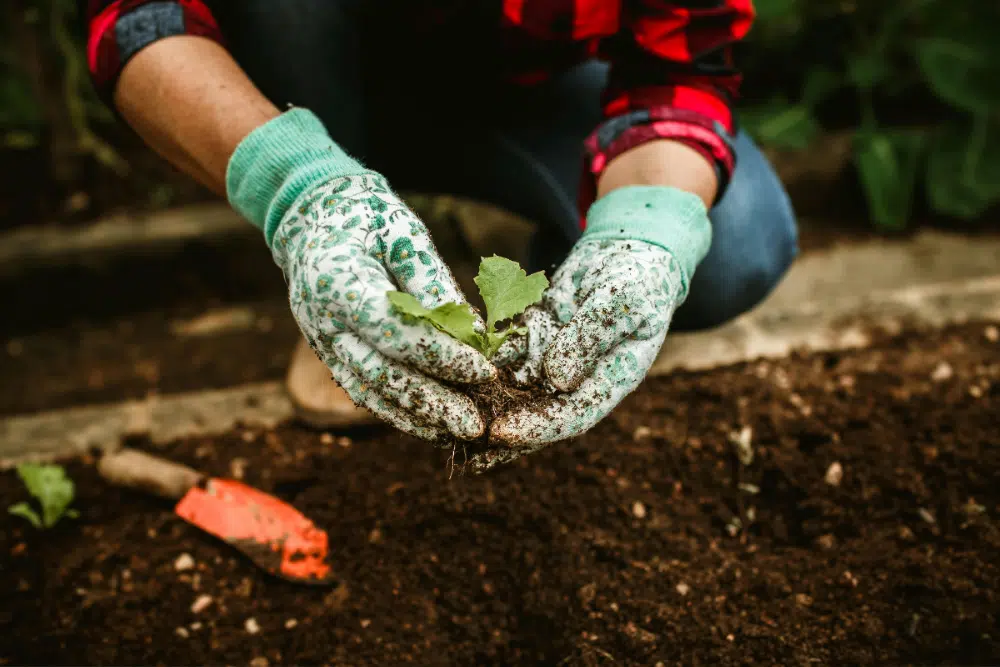
Summer gardening ideas for park home owners are a great way to make the most of the outdoors once the warmer months arrive. And there’s a lot to love about a park home garden. It’s a manageable size, so there are no huge hedges to cut or sprawling lawns to tend to, just a space that’s easy to enjoy rather than a chore to keep up. Whether you’d rather keep things low maintenance or have a proper play with planting, it’s yours to shape around how you like to live.
It really comes down to getting creative with the space you have and choosing plants and layouts that suit your lifestyle. Summer is the ideal time to refresh your outdoor area, and with a bit of planning, you can have a low maintenance garden that looks great without demanding hours of upkeep.
Below, we’ll walk through tips that suit later living and life on a park alike, including practical ideas for planting and ways to turn your outdoor space into a proper peaceful retreat.
Your Own Private Garden, to Enjoy Your Way
One of the real benefits of choosing a park home for later life is having a garden to call your own. A lot of retirement flats and apartments give you little more than a balcony, if that, so a private outdoor space you can plant up, potter about in and sit out in is a genuine perk, not an afterthought.
Because it’s a manageable size, you get all the pleasure of a garden without the workload of a big plot. That leaves the choice entirely up to you: a low-effort space of evergreens and containers that mostly looks after itself, or a colourful summer project you fuss over happily. Either way, it’s your garden and your call.
Going Vertical for a Wall of Colour

A lovely way to create a wall of colour in a smaller garden is to go vertical, working in layers and making the most of every level rather than just the ground.
Climbers do a lot of this work for you. Train sweet peas, runner beans or clematis up canes and wall-mounted trellises, and hang baskets at different heights to build up colour without using any floor space. Containers give you the same flexibility lower down; you can move pots to follow the sun, rearrange the layout through the warmer months, and refresh plantings as the seasons turn. Grouping containers in odd numbers and varying their heights tends to look best.
A few simple tricks make a cosy plot feel even more open. Light-coloured pots, the occasional mirror on a fence panel, and a diagonal path through the planting all help the eye travel further. Less is genuinely more here; a handful of well-chosen features beats a busy, cluttered garden every time.
Planting for Maximum Colour and Interest

The right plants can turn a park home garden into a properly vibrant summer space. The trick is choosing varieties that flower for long stretches, suit your light conditions, and don’t ask much of you in return. A good mix of perennials and annuals does the heavy lifting, giving you structure year after year alongside quick bursts of seasonal colour.
Hardy Perennials That Do the Work for You
Perennials are a worthwhile investment for any garden. Plant them once and they come back stronger each year, which saves money on bedding plants and cuts down on the physical work of replanting.
Lavender is one of the best picks. It needs very little water once established, fills the space with purple blooms and fragrance from June onwards, and works beautifully planted along pathways or near seating areas where you’ll brush past it.
Ornamental grasses are also worth a mention. They add movement, soften harder edges, and look good well into winter when most other plants have packed up.
Bright Annuals for Instant Summer Colour
Annuals are where you get the quickest results. They’re ideal for window boxes, hanging baskets and front-door pots where you see them every day.
| Plant | Best For | Light | Effort Level |
| Petunias | Trailing over container edges | Full sun | Low (But should water regularly) |
| Geraniums | Pots and hanging baskets | Full sun | Very low |
| Marigolds | Borders and edging | Full sun | Low |
| Cosmos | Hanging baskets | Sun to partial shade | Low |
| Begonias | Shadier corners | Partial to light shade | Low |
| Busy Lizzies | Shaded hanging baskets and window boxes | Light shade | Low |
Drought Tolerant Plants for Low-Maintenance Summers
If you’d rather not water daily during hot spells, drought tolerant plants are the obvious answer. Sedums, echeveria and aeoniums store water in their fleshy leaves and look striking in shallow containers. Lavender, again, is hard to beat: no feeding, very little water, and you can trim it after flowering to keep it compact.
Pots with good drainage matter most for these varieties, since they’re far more likely to suffer from sitting in wet soil than from missing a watering.
Creative Space-Saving Solutions
A few well-placed techniques add depth, height and interest without taking up valuable ground space.
- Go vertical wherever you can. As we mentioned earlier, wall-mounted planters, trellises and pocket systems turn fences into productive growing areas. A simple drip irrigation system keeps everything watered with minimal effort.
- Make containers do more than one job. Hanging baskets, lightweight pots with built-in reservoirs and rail planters all add growing space without eating into walkways. Choose containers you can move around to follow the sun or shelter tender plants during poor weather.
- Build one or two proper focal points. A tiered plant stand, an espalier fruit tree trained flat against a wall, or a compact arbor with climbing roses or honeysuckle all give a small garden somewhere for the eye to land.
Summer Maintenance Made Easier

One of the quiet pleasures of moving into a park home is keeping the parts of gardening you love without the relentless upkeep a larger plot demands. Many gardeners come to park living after downsizing and quickly realise the smaller space gives them the best of both worlds: enough garden to enjoy, not so much that summer turns into a second full-time job.
Watering Without the Daily Chore
Watering tends to be the biggest summer effort, but there are easy ways to take it off your plate. Self-watering containers store water in a reservoir below the soil and release it gradually, keeping plants happy for days at a time.
Mulching is another simple win: a 5 to 8 cm layer of organic mulch helps conserve water by blocking evaporation, and it suppresses weeds at the same time. Watering globes are worth a look too, just fill, push into the soil, and they release water slowly over several days.
If you’re watering by hand, early morning (6:00 to 8:00 am) is the better window. Plants take water in before the heat arrives, and evening watering, though tempting, can leave foliage damp overnight and invite fungal problems.
Keeping Things Tidy Without the Effort
Slow-growing plants do a lot of the work for you. Box hedging and similar evergreens hold their shape with minimal trimming and only need watering through proper dry spells. Ground cover plants like creeping thyme, ajuga and sedum can replace traditional lawn areas entirely, which means no mowing, fewer weeds and a softer, more natural look across the garden.
Easy edging keeps everything looking intentional without constant attention. Metal or plastic edging strips keep gravel paths neatly separated from planted areas, while stone or brick borders add character and stay put year after year.
One quick, friendly note before you get stuck in: the everyday gardening, containers, baskets, beds and borders, you can simply crack on with. If you’re planning something more permanent, like a larger structure or fixed feature, it’s worth a quick word with your park first, since a few light guidelines keep the whole place looking its best for everyone.
Wrapping Up

The manageable size of a park home garden means you spend more time actually enjoying the garden than maintaining it. Time spent outside, tending plants and watching things grow, is also one of the simpler ways to lift your mood through summer, especially when the space is yours to shape around your own taste.
Whether you lean towards a cottage garden feel with shrub roses and herbaceous perennials, a relaxed design built around containers and vertical interest, or a low-effort plot focused on year-round colour and local wildlife, there’s plenty you can do with the space you have. And if you’re earlier in the journey, weighing up retirement options or later living more broadly, Tingdene Residential Parks has plenty of resources to help you get a feel for what life on a park is actually like. Get in touch or book a visit to one of our garden-ready homes.
Frequently Asked Questions
Can I plant anything I want in a park home garden?
For the most part, yes. Standard flowers, shrubs and most vegetables are absolutely fine to plant as you please. It’s only larger trees or plants with invasive root systems that are sometimes restricted, usually to protect underground services and keep things easy between neighbouring plots, so it’s worth a quick check on the park’s regulations before adding anything permanent. Containers, hanging baskets and ground-level beds are almost always welcome without any special permission.
What are the best low-maintenance plants for a small park home garden?
Lavender, geraniums and salvia are hard to beat for low effort and consistent colour through summer. For year-round structure, slow-growing options like box hedging, dwarf shrubs and ornamental grasses look after themselves with minimal trimming. Bulbs such as alliums and snowdrops return each year without intervention, and ground cover plants like creeping thyme or sedum keep weeds down with very little input from you. These are all good picks if mobility or time is a consideration.
Are raised beds allowed at most park homes?
Generally yes, though it’s worth checking with your park first, as some have height guidelines for larger installations. Raised beds work particularly well in park home gardens because they keep things tidy, make growing vegetables easier in a smaller space, and reduce the need for bending. Portable or modular raised beds are a flexible option if you’d rather not commit to anything permanent.
How do I make a small garden feel bigger?
Going vertical is the single biggest shift. Wall-mounted planters, trellises and climbing plants like clematis or sweet peas add height without using floor space. Hanging baskets layer the view upwards, and grouping pots of varying heights creates depth where there isn’t much. Lighter-coloured pots and a diagonal path through the planting also help the eye travel further, which makes a small plot feel more open.