
Living in a Mobile Home Permanently in the UK: Legalities & Lifestyle
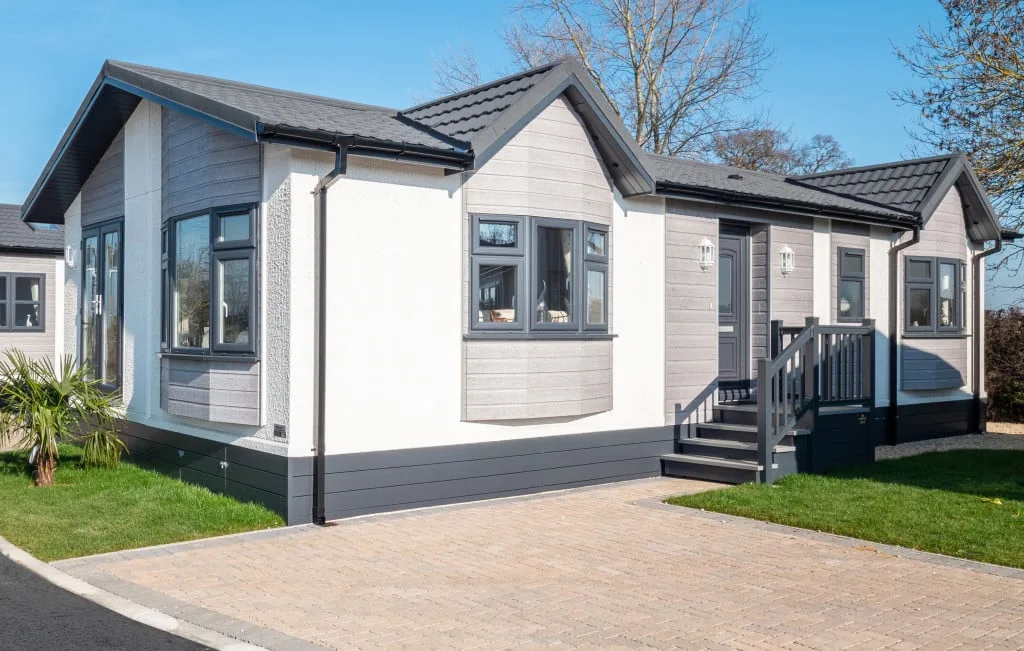
Living in a mobile home permanently in the UK is a genuinely practical option for year-round living, but it only works properly when you understand the rules around site licensing, comfort, and day-to-day costs. In most cases, you can live permanently in a mobile home if it’s located on a licensed residential park with planning permission for full-time occupancy, giving you the stability and protections you need.
That’s where Tingdene Residential Park comes in. We offer high-quality park homes (sometimes casually referred to as “mobile homes”) across our established, professionally managed residential parks, helping our buyers enjoy a secure, comfortable lifestyle with a real sense of community. Once you know how residential licensing, pitch agreements, and your rights fit together, it becomes much easier to decide whether park home living is the right next step for you.
What Is Permanent Mobile Home Living in the UK?
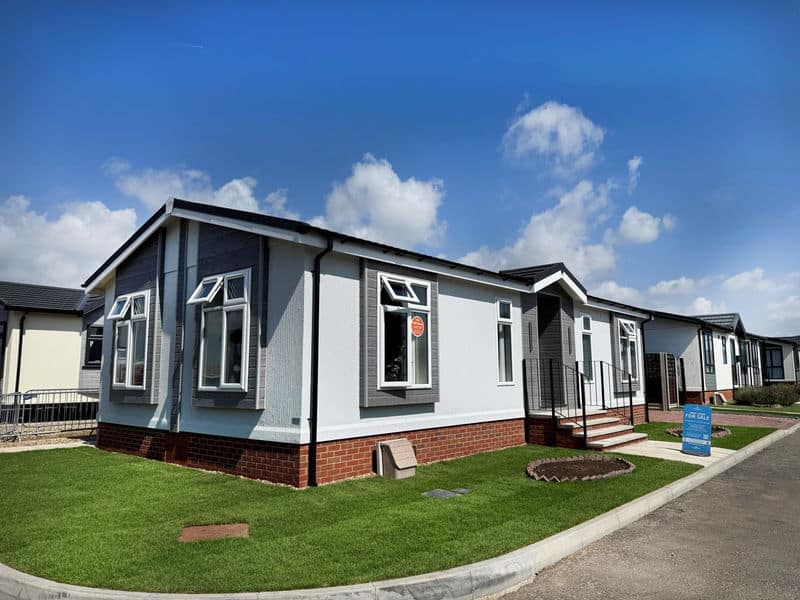
Permanent mobile home living means using a mobile home (often called a park home) as your main residence, not a holiday base. To live in a mobile home all year round, it must be sited on a licensed residential park with the correct permissions for full-time occupancy.
Mobile Homes vs Park Homes
A mobile home is a factory-built home designed to be transported to a plot and lived in, including many static caravans and lodges that meet legal size and construction standards.
A park home is a type of mobile home that’s placed on a residential park and used as a permanent home; typically single-storey and built to BS 3632 standards. In most cases, you own the home and rent the pitch from the site owner, and the home must remain on land with a valid residential licence issued by the local council.
Key Differences Between Residential and Holiday Use
The biggest difference is simple: your legal right to live there year-round. A residential park has the correct planning permission and a residential site licence, which means you can use your park home as your permanent address, register with a GP, and pay council tax like any other home.
A holiday park, on the other hand, is licensed for short-term or seasonal stays. Even if you own the static caravan or lodge, you can’t legally use it as your main home, and many parks have a required closed period each year.
Here’s a quick comparison:
| Feature | Residential Park | Holiday Park |
| Licence | Residential | Holiday only |
| Length of stay | Year-round | Limited period |
| Council tax | Payable | N/A |
| Full address use | Yes | No |
Types of Mobile Home Parks and Sites
In the UK, mobile and park homes sit on different site types, and the rules depend on the park’s licence and local council conditions.
Residential park home sites are built for permanent living. They must be licensed by the local authority and meet requirements around safety, spacing, and amenities, making them the right fit if you want a stable, long-term home base.
Holiday parks are designed for tourism and seasonal breaks. The homes on these sites (often caravans or lodges) aren’t intended for year-round occupation, and you’ll usually need to leave during the park’s closed period.
Some parks are mixed-use, with separate residential and holiday areas. The key is to check the specific site licence before you commit, because trying to live full-time on a holiday-only site can lead to enforcement action, including being asked to leave.
Legal Requirements for Permanent Residency

Living in a park home permanently is increasingly popular, but it only works smoothly when you tick the legal boxes first. Before you treat a residential mobile home as your only or main home, it’s worth doing thorough research, because different park homes operate under different planning and licensing regulations, and getting this wrong can lead to legal action.
- Check the planning status (residential vs holiday): To use a park home as a permanent residence, the land must have the right planning and licensing regulations in place for year-round living. Sites approved for holiday homes may only allow stays for a specified period or months of the year, so you can’t legally live there full-time.
- Confirm the site licence matches the use: A residential park should have a valid local authority licence that supports permanent residency and helps ensure compliance with safety and spacing standards. Always confirm the licence aligns with residential use, not seasonal holiday occupation, especially if you intend to live there long-term.
- Understand whether the site is protected or not: A “protected” residential site generally offers stronger rights for people who live on-park as their main home. An unprotected or holiday-only site can leave you with fewer safeguards, so checking this early is key if you want security in your living arrangement.
- Know what you’re buying and what you’ll pay ongoing: Many buyers purchase the park home outright, but you’ll still typically pay rent (often referred to as ground rent) for the pitch. Make sure you understand the financial implications before you commit, including what you’ll pay monthly and what services are covered.
- Location and lifestyle checks matter too: Beyond the paperwork, look at practicalities that support daily life, like nearby healthcare facilities and essential amenities. It’s a simple way to make sure where you decide to retire fits how you live day to day.
- When in doubt, get professional support: If anything feels unclear (licence wording, residency rules, pitch agreements), it’s smart to seek legal advice before you spend. Getting the right further information upfront can save a lot of hassle later.
Read our guide on the 10 Considerations When Buying a Park Home for more details.
Your Rights and Obligations as a Resident
If you’re living in a mobile park home, you have real legal protections, and a few clear responsibilities too. The key is knowing what you’re entitled to, what you must do, and what should always be set out in writing.
- You have strong legal protections on protected sites: Under the Mobile Homes Act 1983, you generally have security of tenure, which means the site owner can’t simply evict you on a whim, they need a legal reason and typically a court order. You also have the right to access essential services like water, electricity and gas as set out in your agreement.
- Written agreements matter (and you should get time to review them): You should receive a legally required written statement setting out the pitch agreement, site rules, fees, and both sides’ obligations. You’re typically given at least 28 days to review it before signing, and even if paperwork is missing, you may still have rights, so it’s worth getting proper advice if anything feels unclear.
- You’re responsible for maintaining your home: Day-to-day upkeep of the park home itself is usually down to you, while the site owner is responsible for maintaining communal areas and meeting health and safety standards required by the local authority.
- Pitch fees are ongoing, and increases must follow rules: A pitch fee is what you pay for the right to keep your home on the pitch and use shared parts of the site. Increases are usually limited to once per year, and the site owner must give at least 28 days’ written notice with reasons. If you disagree, you can ask a tribunal to review whether it’s fair.
- Utilities and council tax are usually separate: You’ll normally pay utilities (water, gas, electricity) and council tax separately. Charges should be transparent, so it’s sensible to request itemised billing where possible and keep good records of payments.
- If there’s a dispute, you’re not stuck: If you believe fees, terms, or behaviour are unfair, you can seek a tribunal decision, and if you’re unsure, getting professional or legal advice early can save a lot of stress later.
Buying, Selling, and Maintaining Your Mobile Home

Buying, selling, and maintaining a mobile (park) home in the UK is mostly about understanding the basics upfront: you typically buy the home itself and rent the pitch it sits on, so it’s important to read your written agreement (Written Statement) carefully, confirm the park is properly licensed for residential, year-round living, and keep the home and pitch in good condition to stay compliant.
It’s also worth thinking about how you’ll fund the purchase as park homes don’t always follow the same route as traditional mortgages, so it pays to understand your options early. You can usually sell your home, but the process must follow the correct steps and any park criteria (such as age requirements) will still apply to a new occupier. Inheritance and transfers can be possible too, but they don’t automatically guarantee the right to live on the park, as the Written Statement and residency rules may need to be addressed.
Shared areas are maintained by the park owner, while you’re responsible for your own home’s upkeep. For a deeper dive, see our guide on key considerations when buying a park home.
Living Experience and Park Rules

Every park has its own house rules, shared services, and community standards, so day-to-day life is usually shaped by how well you understand the park’s regulations, amenities, and resident profile.
Park Rules and Regulations
Most parks have clear site rules to help keep the community safe, tidy, and enjoyable for everyone. These often cover things like noise, parking, pets, and general upkeep of your home and pitch. If you’re planning any external changes, such as fencing, sheds, or decking, you’ll usually need to request permission first, and what’s allowed can vary from park to park.
Residential parks operate under local council site licences, which set standards around safety, spacing, and maintenance. The licence should be displayed publicly, so you can check the park is properly authorised. When you buy, you’ll usually receive a written agreement outlining rights and responsibilities, with time to review it (often 28 days). Even if paperwork is missing, you may still have legal rights under park home law.
| Rule Type | What it Covers | Enforced By |
| Maintenance rules | Pitch and exterior upkeep | Site owner |
| Safety and spacing | Fire and distance | Local council |
| Behaviour and noise | Respect for neighbours | Site owner |
Services, Amenities, and Utilities
Across Tingdene residential parks, what’s available can vary by location, but you can typically expect:
- Ongoing site upkeep included within the pitch fee
- Waste and recycling arrangements to support day-to-day convenience
- Utilities provided to the park (such as water, electricity, and gas) and recharged transparently to residents where applicable
Age Restrictions and Community Aspects
Many residential parks are age-restricted (often 45+), which helps create quieter, more settled communities that suit retirement living. Age limits vary between parks, so it’s always worth confirming before you buy.
Community standards tend to focus on mutual respect, well-kept plots, and being considerate of neighbours. You may also find resident associations, which can be a useful way to stay informed, raise concerns, and keep up with any rule changes or council inspections.
Final Thoughts

Living in a mobile home permanently in the UK can be a smart, comfortable move, as long as you get the fundamentals right. Focus on choosing a properly licensed residential park, understanding your pitch agreement, and knowing your rights and responsibilities before you commit. Do that, and park home living becomes less about “can I?” and more about enjoying a simpler, community-led lifestyle that fits the way you want to live. If you’re exploring the idea and want guidance on the right next step, sign up to receive our Beginner’s Guide to Park Home Living and book a viewing of our residential and high-quality park homes designed for year-round living.